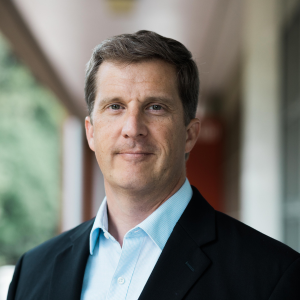
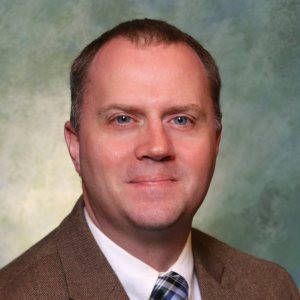
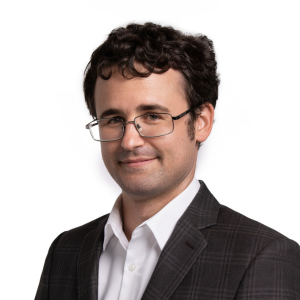
Michael W. Link, PhD, has spent more than three decades working at the intersection of survey methodology, data collection, and public service across academia, government, and the private sector. He is currently Principal of Michael Link Leadership Consulting, where he advises organizations on leadership, governance, and navigating change. His prior roles include senior leadership positions at Ipsos Public Affairs, Abt Associates, Nielsen, CDC, and RTI, including serving as Chief Research Officer for Ipsos U.S. Public Affairs and as President and CEO of Abt SRBI.
Michael has a long history of service to AAPOR, including serving as Vice President, President, and Past President (2013–2016), Conference Chair, and Co-Chair of the AAPOR Task Force on Emerging Technologies, as well as contributing to member education through conference training sessions and webinars. He currently serves as Associate Editor for a special issue of Public Opinion Quarterly on Artificial Intelligence and Survey Research and has published more than 30 peer-reviewed articles on survey methodology and data collection. He is a recipient of AAPOR’s Warren Mitofsky Innovators Award.
He has also been active in regional chapters, serving as President and Conference Chair of the Southern Association for Public Opinion Research (SAPOR) and participating in regional chapter conferences and events over many years. Throughout his career, Michael has focused on strengthening professional standards, exploring the utility of new technologies and methods, and helping the profession adapt to change while maintaining trust.
Personal Statement
Much of my recent work has focused on helping organizations think clearly and act responsibly during periods of disruption. In survey research, that disruption is real and ongoing, driven by advances in AI, federal policy changes affecting data collection and funding, and long-standing tensions around trust, representation, and relevance. My experience has prepared me to engage these issues directly, without oversimplifying them or avoiding difficult conversations.
My experience has often placed me at points where change is occurring most rapidly. I have tried to focus on what genuinely improves practice, what protects credibility, and what helps members do their work well across very different institutional settings. That perspective informs my current work with Public Opinion Quarterly on a special issue focused on AI and survey research, with an emphasis on careful evaluation rather than advocacy.
Working with Council in both elected and volunteer roles has reinforced that navigating disruption is rarely about individual action. It depends on judgment, continuity, and collaboration. Council works best when members bring different perspectives, listen carefully, and support the officers and committees responsible for education, communications, outreach, finance, and other core functions.
As Councilor-at-Large, I would work with my colleagues to help AAPOR confront change in a constructive and measured way by acknowledging real challenges, encouraging thoughtful debate, and supporting decisions that strengthen the association’s ability to serve its members. I would aim to contribute perspective, ask the right questions, and help ensure that change is navigated in a way that preserves trust and sustains the profession over time.